

Sometimes movies can open the door when words can't.
When explaining to your child where their grandpa went, why the family dog isn't around anymore, or why you've been crying so much lately, words have a way of failing us. The concept of death, loss, and grief is hard enough for adults to hold. And explaining it to a small person with a tender heart is something else entirely.
Thankfully, these beautiful films help us through moments like these.
A Quick Reference Guide
| Age | Film | Theme |
| 4+ | The Lion King | Death of a parent |
| 4+ | Up | Grief and moving forward |
| 5+ | My Neighbor Totoro | Parental illness |
| 5+ | Coco | Death of a grandparent |
| 7+ | Soul | Meaning of life |
| 8+ | Bridge to Terabithia | Loss of a friend, sudden death |
| 10+ | Big Fish | Death of a parent, legacy |
| 12+ | A Monster Calls | Terminal illness, complicated grief |
| 12+ | What Dreams May Come | Afterlife, love after death |
| 13+ | The Fault in Our Stars | Terminal illness, loss of a friend |
For each film we have included a short storyline, our age recommendation, and where to watch tonight.
Ages 4 and Up
The Lion King (1994)
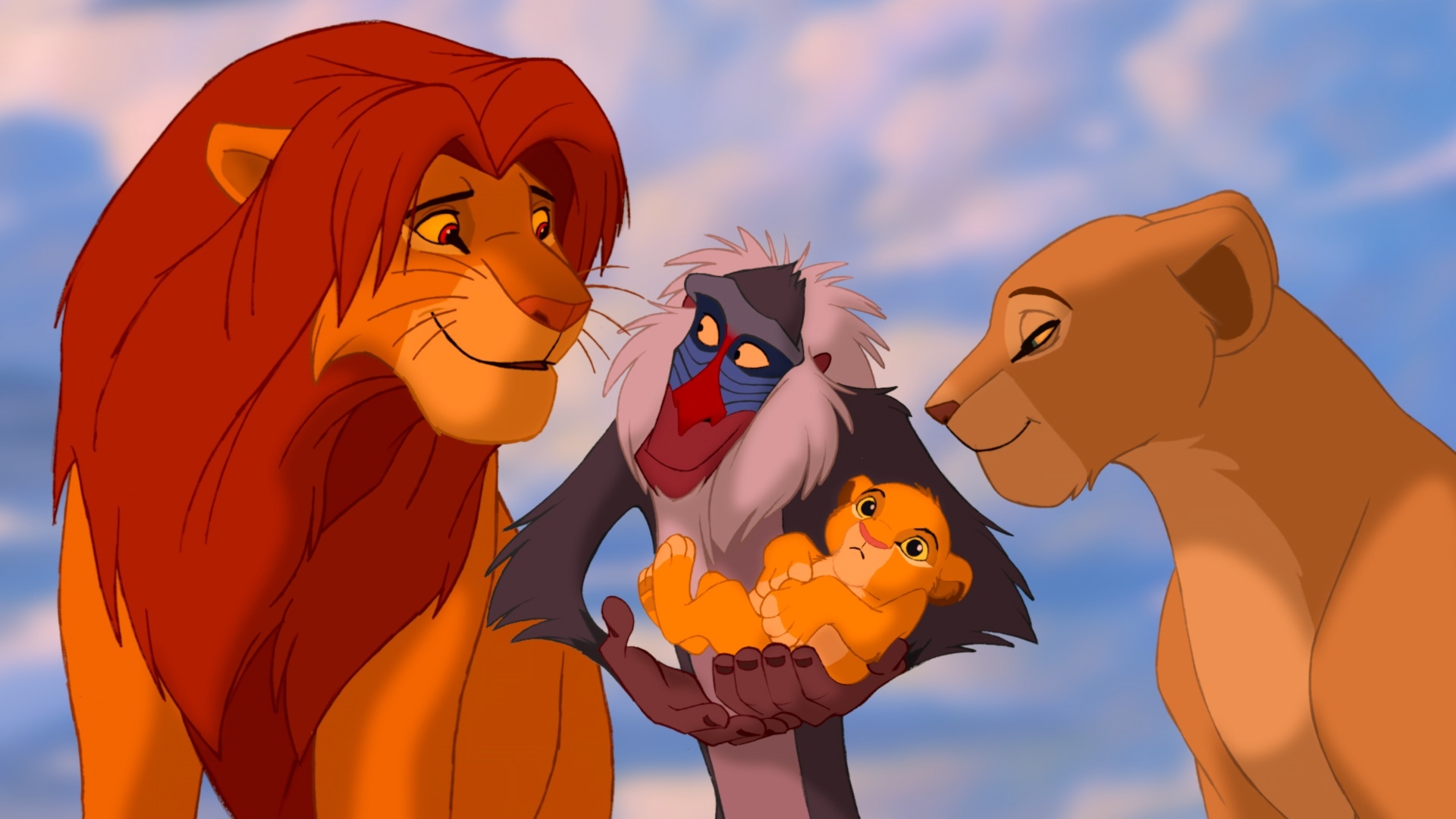
Theme: Death of a parent · Grief and guilt · Legacy
The story: Simba is a young lion cub whose father Mufasa is killed by his uncle Scar. Consumed by guilt and grief, Simba runs away and spends years hiding from his past. Eventually he finds the courage to return, honor his father's memory, and claim his place in the world.
What children learn: That losing a parent is one of the hardest things imaginable. That grief can make us want to run away. That the people we have lost live on in us, and in who we become and how we choose to live.
A note for parents: The death scene can frighten very young children. Watch together and pause if needed. The message about legacy and honoring a parent is extraordinarily powerful for children navigating a parent or grandparent's death.
Where to watch: Disney Plus
Up (2009)

Theme: Grief and moving forward · Life after loss
The story: The first ten minutes of Up are widely considered one of the most moving sequences in cinema history. We watch an entire love story — meeting, marriage, dreams, loss — told in silence and music. Carl Fredericksen, now a widower, ties thousands of balloons to his house and floats away to fulfill the adventure he and his wife always planned. A young stowaway named Russell comes along.
What children learn: That love is the whole story. That grief and adventure can exist in the same life. That honoring someone's memory can take extraordinary forms.
A note for parents: The opening sequence is genuinely moving and will prompt questions from very young children.
Where to watch: Disney Plus
Ages 5 and Up
My Neighbor Totoro (1988)
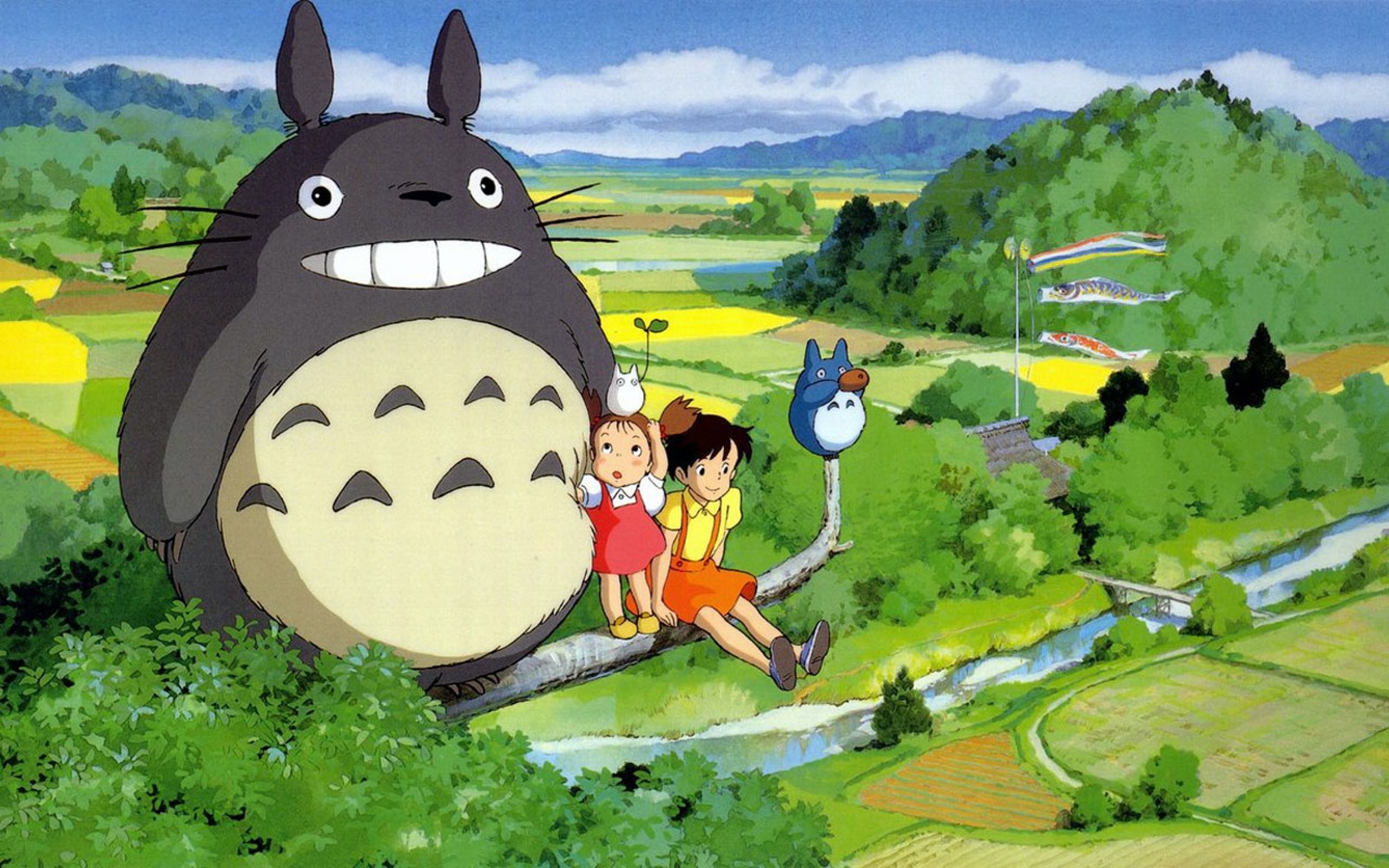
Theme: Parental illness · Fear and uncertainty · Childhood resilience
The story: Two young sisters, Satsuki and Mei, move to the countryside with their father to be closer to the hospital where their mother is recovering from a long illness. They discover a magical forest spirit called Totoro who becomes their companion through the uncertainty and fear of a parent's serious illness.
What children learn: That it is okay to be scared when someone you love is sick. That childhood resilience is real and remarkable.
A note for parents: This film deals with parental illness rather than death directly, making it a gentler and particularly useful entry point for families where a parent or grandparent is currently unwell.
Where to watch: Netflix, Max
Coco (2017)

Theme: Death of a grandparent · Memory · Honoring loved ones
The story: Miguel is a twelve-year-old boy in Mexico who dreams of becoming a musician despite his family's ban on music. On Día de los Muertos (the Day of the Dead), he accidentally crosses into the Land of the Dead and must find his great-great-grandfather before sunrise. What unfolds is a deeply moving exploration of family, memory, and what it means to truly honor someone after they are gone.
What children learn: That the people we love live on as long as we remember them. That death is not the end of the relationship. That honoring someone's story is one of the most important things we can do for them.
A note for parents: The concept of death is handled with warmth and color rather than fear. The film's central message: "the real death is being forgotten", opens extraordinary conversations about memory, and how we keep people alive.
Where to watch: Disney Plus
Ages 7 and Up
Soul (2020)
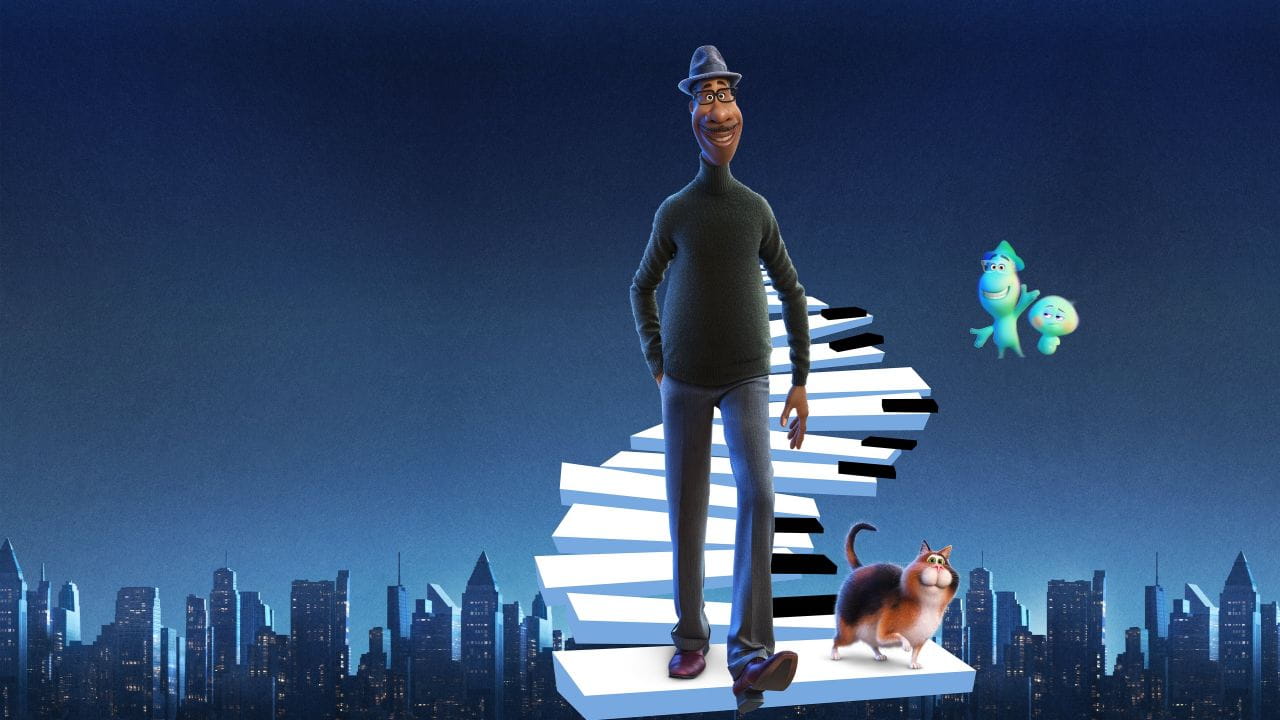
Theme: The meaning of life · Near death · What makes a life worth living
The story: Joe Gardner is a middle school music teacher who finally gets his big break as a jazz musician and then falls down a manhole. Finding himself in the Great Before, the place where souls develop their personalities before life on earth, Joe discovers what it actually means to be alive.
What children learn: That life itself is the meaning. That the small moments are the whole point. That being here, present and alive, is the extraordinary thing.
A note for parents: This film is less about death and more about life. Making it a wonderful watch even outside of grief. It opens conversations about what matters, what we are here for, and how to pay attention to the life we actually have.
Where to watch: Disney Plus
Ages 8 and Up
Bridge to Terabithia (2007)

Theme: Loss of a friend · Sudden death · Carrying someone forward
The story: Jesse and Leslie are two misfit fifth graders who create an imaginary kingdom in the woods called Terabithia. When Leslie dies suddenly in an accident, Jesse must find a way to carry their friendship and their world forward without her.
What children learn: That losing a friend is a real and profound grief. That the world a relationship creates does not disappear when the person does. That honoring someone means carrying what they gave you forward.
A note for parents: The death is sudden and may be upsetting — preview for sensitive children under eight. The film handles shock and unexpected loss with unusual honesty, making it valuable for children who have experienced a sudden bereavement.
Where to watch: Amazon Prime Video, Apple TV
Ages 10 and Up
Big Fish (2003)

Theme: Death of a parent · The stories we tell about people we love
The story: Will Bloom has always been frustrated by his father Edward's larger-than-life storytelling: the wild, magical tales Edward tells about his own life that Will suspects are exaggerated or entirely invented. When Edward is dying, Will travels home and begins to understand that the stories were not lies.
What children learn: That the way we remember people is itself an act of love. That the stories we tell about someone keep them alive. That understanding a parent or grandparent, really understanding them, is one of the most profound gifts we can give each other.
A note for parents: This film is especially powerful for children navigating a parent or grandparent's illness or death. The central question of how do we really know someone opens conversations about legacy, memory, and how we want to be remembered ourselves.
Where to watch: Amazon Prime Video, Apple TV, Netflix
Ages 12 and Up
A Monster Calls (2016)

Theme: Terminal illness of a parent · Complicated grief · Truth and guilt
The story: Thirteen-year-old Conor is visited by a monster at 12:07 every night as his mother battles terminal cancer. The monster tells him three stories and demands one truth in return: the truth Conor has been too afraid to face. One of the most honest and emotionally intelligent films ever made about a child navigating a parent's dying.
What children learn: That it is okay to feel more than one thing at once: love and anger and exhaustion and guilt. That the truth, even the hardest truth, sets something free. That grief is allowed to be complicated.
A note for parents: This film deals directly with a parent's terminal illness and death. It is deeply moving but genuinely difficult. Best watched together with a parent present and time afterward to talk. Do not watch this one and send children straight to bed.
Where to watch: Amazon Prime Video, Apple TV
What Dreams May Come (1998)

Theme: Death of a parent and spouse · The afterlife
The story: After a car accident takes his life, Chris Nielsen finds himself in a breathtakingly beautiful afterlife painted like his wife's artwork. When his wife, unable to bear the grief of losing him, takes her own life, Chris crosses through heaven and hell to find her.
What children learn: That love is larger than death. That the connection between people does not simply end. That someone who has died is not simply gone.
A note for parents: The film deals with suicide and adult grief. Best watched with older teenagers with a parent present. The visual world of the afterlife is extraordinary and opens rich conversations about what we believe comes after death.
Where to watch: Amazon Prime Video, Apple TV
Ages 13 and Up
The Fault in Our Stars (2014)

Theme: Terminal illness · Loss of a friend · Gratitude and grief
The story: Hazel Grace Lancaster is a sixteen-year-old living with terminal cancer. At a support group she meets Augustus Waters, also in remission, and the two fall into a love story that is funny, honest, heartbreaking, and completely alive.
What children learn: That a life can be meaningful and beautiful even when it is short. That love between friends is as profound as any other kind. That grief and gratitude can exist in the same breath.
A note for parents: This film deals with terminal illness, death, and young love with maturity and honesty. Particularly powerful for teenagers who have lost a friend or peer, or who are processing the death of someone young.
Where to watch: Disney Plus, Amazon Prime Video, Apple TV
How to Watch These Movies Together
Stay in the room. Watch together with children. The value is in the shared experience and the conversation it opens.
Don't force the conversation. Sometimes children need time to process. A question might come three days after the film rather than immediately after. Let it come when it comes.
Follow their lead. Some children want to talk immediately. Some need to cry first. Some will surprise you with the depth of what they understood. Trust that the film did something even if you cannot see it yet.
Let yourself feel it too. Children learn how to grieve by watching the adults around them grieve. It is okay for them to see you moved. That is not weakness. That is modeling.
The goal of these films is not to prepare children for the worst. It is to show them that the worst is survivable, and that love, memory, and story are the things that carry us through.
At Afterlife Vessel, we make handcrafted wooden cremation urns designed for life's most meaningful moments. Explore our collection →


